HabitatLens: anyone can be a field scientist
Launch
Jan 11, 2027
Runs on
iPhone · iPad · Android · desktop
Signal
not needed
Observer
you

Anyone can be a field scientist.

We all see the world around us through different lenses. You might be a backyard birder, a university ecologist, a land manager for local government or the director of a conservation nonprofit. HabitatLens brings your view into focus and gives you the tools to make your vision a reality.

Count, map and measure with standard methods, offline. Track animals, watch a tree through the seasons, plan a restoration or a grazing rotation, and hand the same data to a colleague, a county office or a class. Every measured value waits for your approval.

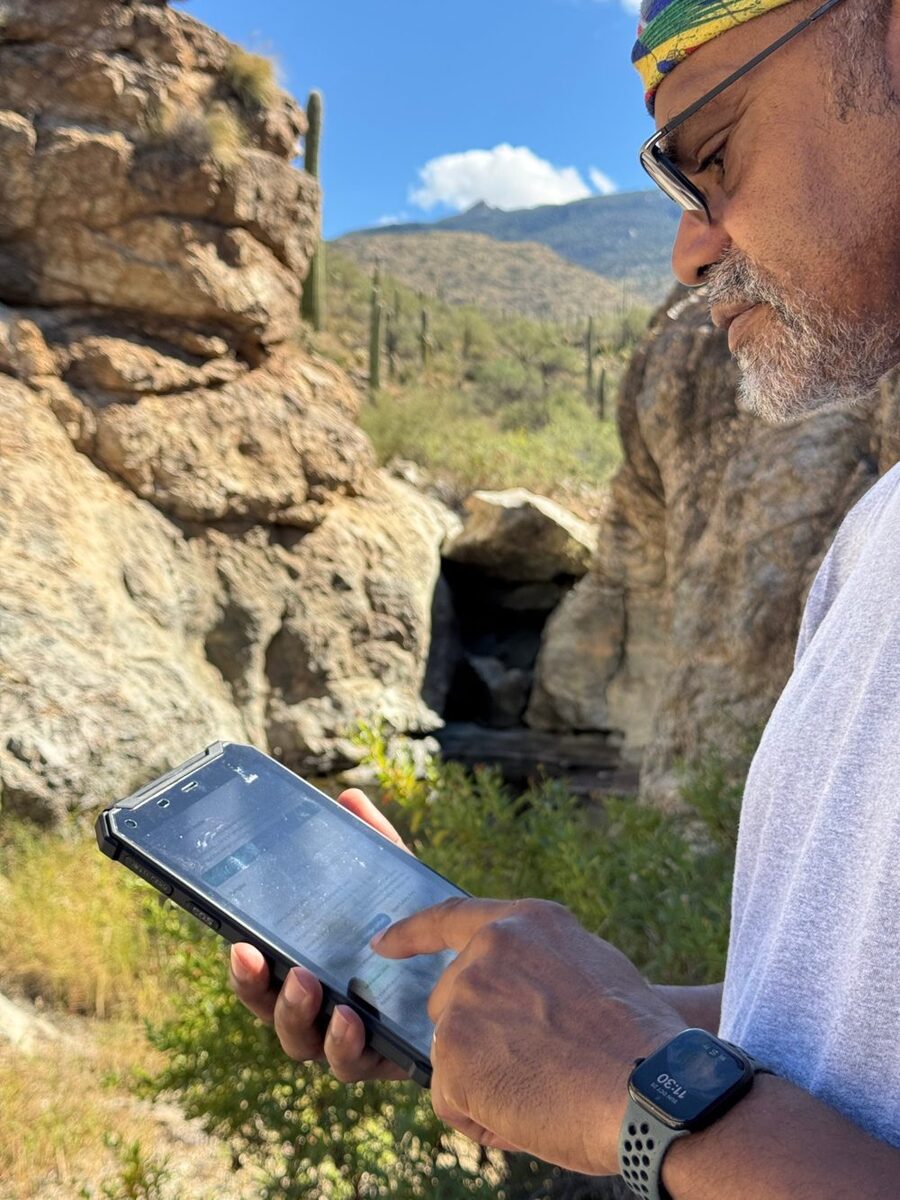
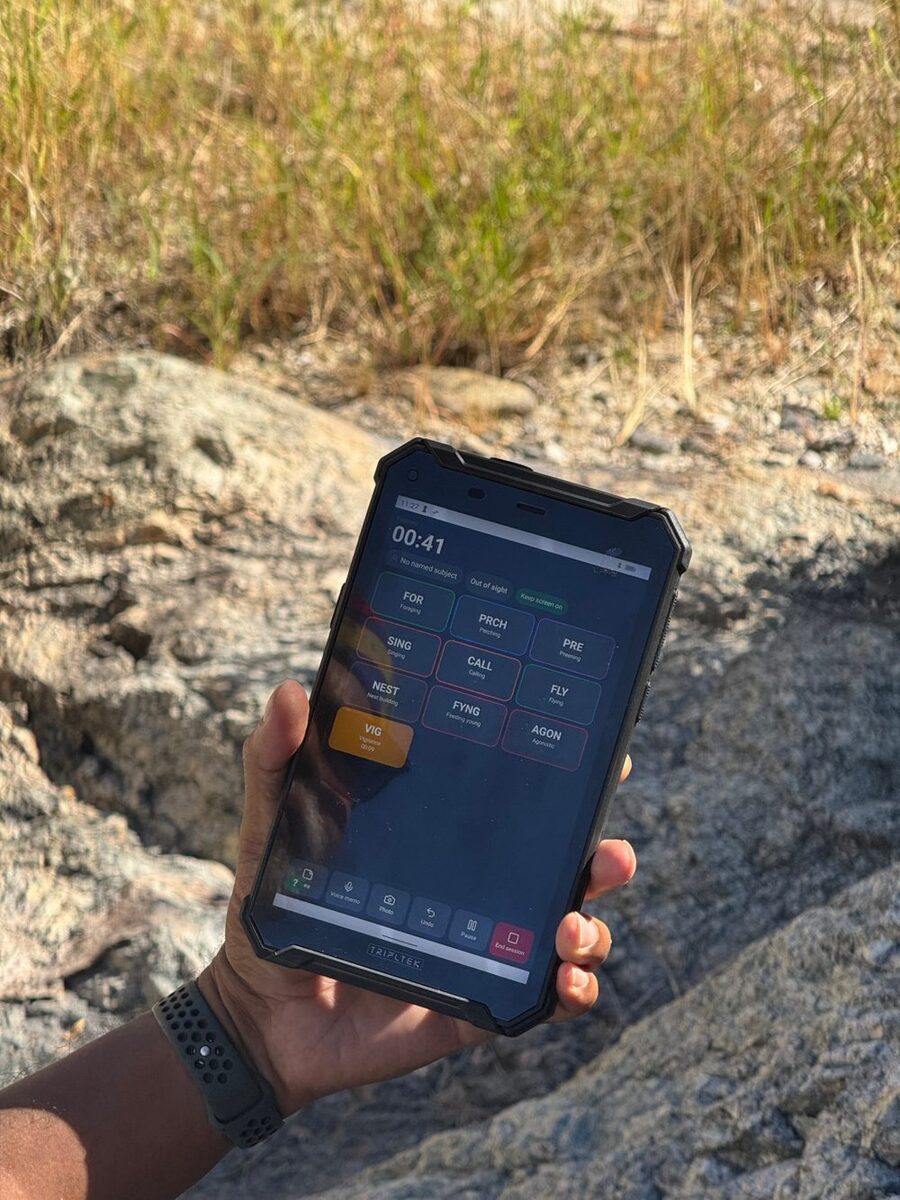
A researcher taps a rugged tablet running HabitatLens among saguaros and granite boulders
Field testSonoran Desert
7:42No service
Field Counter
Backyard · Plot 1 · point count
Free
    N
    19
    S
    6
    H′
    1.62
    Hill N₁
    5.03
    Cactus wren · 07:42:15 · ±4 m
    27tools at launch, sharing one set of projects, sites and plots
    0 barsneeded. Everything works offline, in the field
    $0for Field Counter, identification keys, SongLens recordings, joining a class and CSV export
    10%of profits fund small grants for field research
    Who it’s for

    Pick your role. HabitatLens puts your tools first.

    From a fourth-grade nature journal to a mark-recapture study, everyone starts from the same app. Choose a role below and see what lands on your home screen.

    RoleCheck one
    Your setup

    Wildlife biologist

    9:41Offline
    Home
    Wildlife biologist
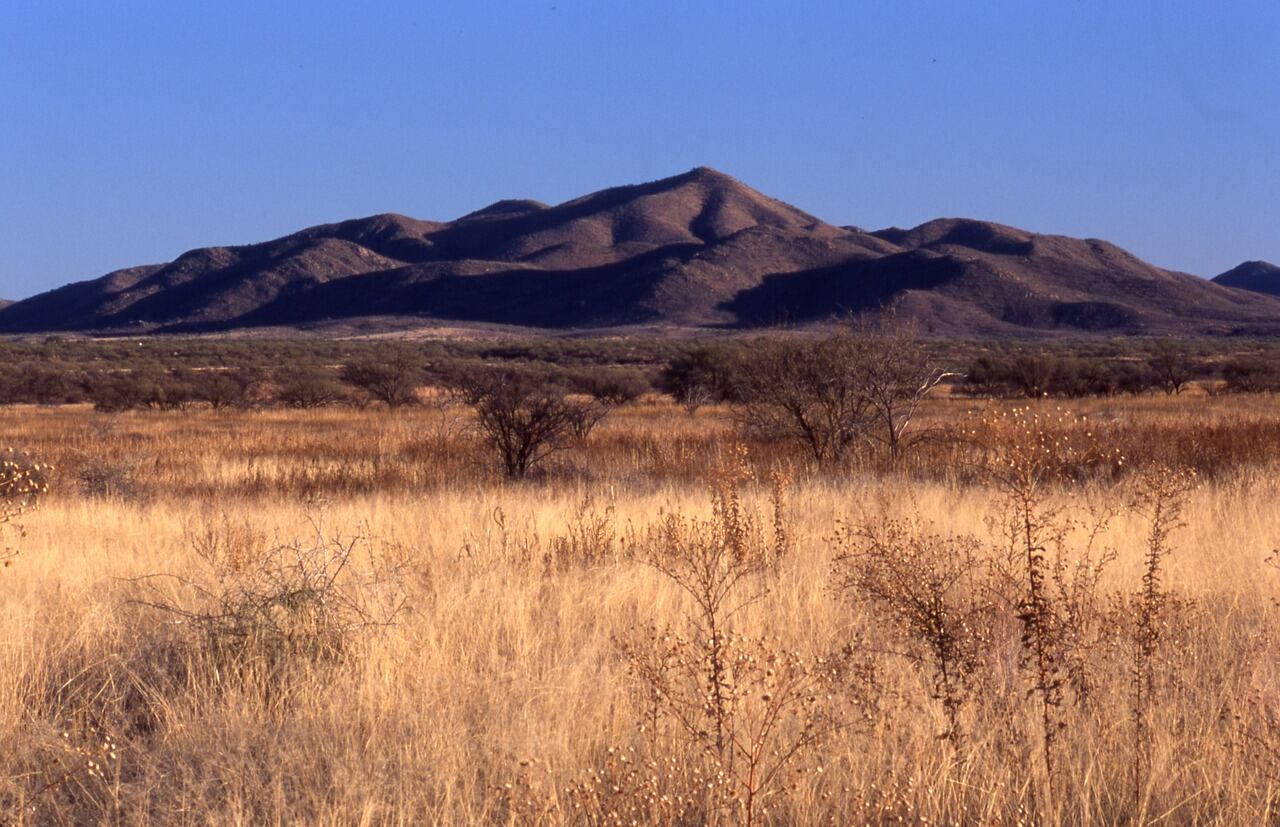
    Golden grassland stretching to a dark mountain under a blue sky in southern Arizona
    Southern Arizona grassland
    Chain of custody

    One dataset, many hands.

    buffelgrass-survey · 1 file
    1. 01RancherMaps buffelgrass on her land.
    2. 02County officeReads her file and plans where to treat.
    3. 03UniversityModels where it will spread next.
    4. 04Conservation groupTurns the plan into a citizen-science project.
    5. 05School classChecks the sites every spring.

    Everyone works from the same file, each in their own role, with no accounts and no server in between.

    Apps*

    However you collect it, HabitatLens makes sense of it.

    HabitatLens is the field platform. FaunaLens and SongLens run on a second phone you leave in the field. Desktop brings everything together on your computer.

    Each app stands on its own. Used together, camera-trap sessions and recordings flow into HabitatLens and Desktop, where everything from a site comes together.

    FaunaLens photos+ SongLens recordings→ HabitatLens sites & plots→ Desktop R report

    HabitatLens

    Free tier

    The field platform, offline. Count, walk transects, sample quadrats, score streams, inventory forests, follow animals by radio and mark-recapture, keep a nature journal and watch the seasons with Nature’s Notebook. Twenty-plus tools share one set of projects, sites and plots, and one Field subscription opens them all.

    28 tools · 27 at launch, 1 coming later

    iPhone, iPad and Android · Free tier · Field $49.99/year or $7.99/month · six-month season pass

    9:41No service
    Distance samplingOffline
    Transect T1 · 320 m4 sightings · 12 m to the last oneAdd sighting
    Distance-sampling transect, offline mapSimulated

    A spare phone becomes a camera trap: photos with GPS, weather and elevation, motion zones that ignore swaying plants, and video clips. Control it and get alerts from your desk or your phone, over mobile data.

    iPhone and Android · Free, Field $29.99/year

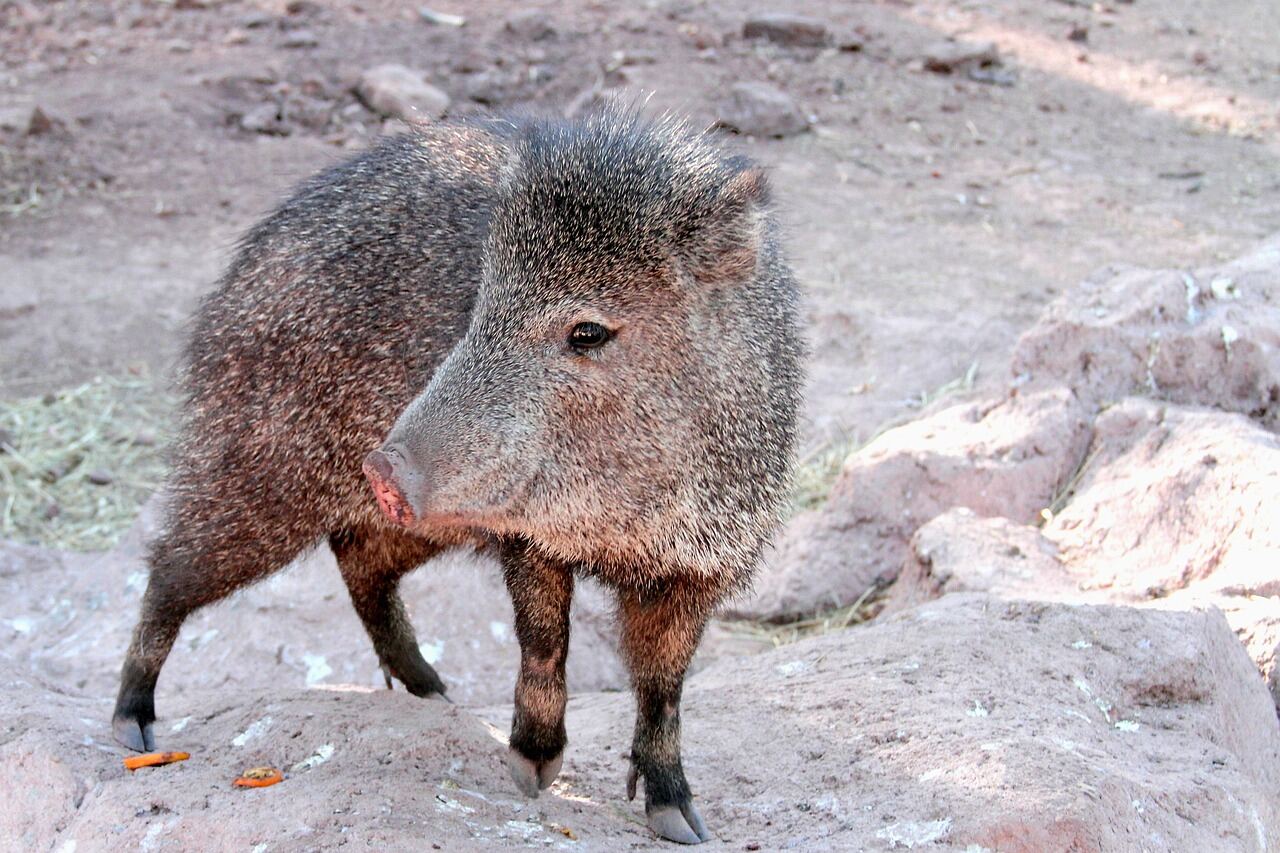
    Infrared-style camera-trap frame of a javelina
    ARMED6 zones ignored
    32.18°N 110.74°W · 14 °C · 905 m
    02:14:07 · IR
    MOTIONBURST 1/3
    Threshold 0.35 · burst of 3
    Motion bar with ignore zonesSimulated

    A spare phone becomes a scheduled recorder for birds, frogs and soundscapes, with acoustic indices worked out on the phone. Start it, stop it and preview recordings from your desk, with alerts when anything goes wrong.

    iPhone and Android · Free, Field $29.99/year

    High-rate USB microphones (such as AudioMoth): Android records at the microphone’s full rate, up to 384 kHz. On iPhone, iOS decides the rate and may limit it, so bat-range recording isn’t guaranteed. SongLens always shows the rate actually recorded.

    04:58LTE
    ScheduleArmed
    Last recording04:50 · 60 s
    On a scheduleOn sound
    Record every10 min
    Each recording60 s
    From05:00
    Until08:00
    Next recording 05:1018 recordings a day
    Recording scheduleSimulated

    Where everything comes together. Merge a team’s or a class’s data and get a reproducible R report, with the code. Twenty-three conservation planning tools, from before-after-control-impact and species distribution to grazing, fire, erosion, runoff and reserve selection. Site profiles, reports and slides, GIS exports, camera-trap and sound review, home ranges from GPS collars, and the class gallery of nature journals.

    macOS (Apple silicon and Intel), Windows and Linux · runs analyses in your own copy of R · HabitatLens Studio also free in any browser

    On a Chromebook or any computer with Chrome, with nothing to install:Use in a browser (Chromebook) · How it works on a Chromebook
    Review · Camera traps
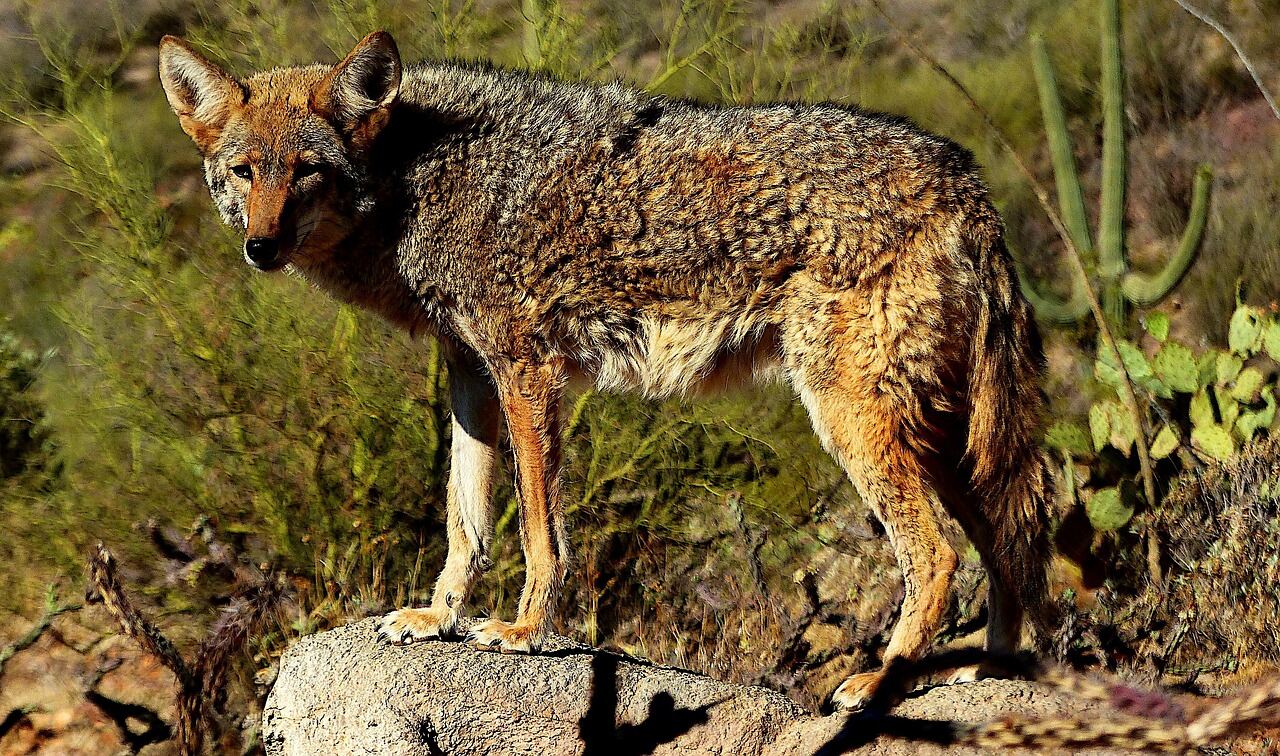
    Camera-trap photo of a coyote standing on a rockCoyote · confirmed
    ConfirmEmpty
    Daily activity (R)Kernel density, 37 events
    214 photos · 37 events · 5 speciesSite: Wash camera 2
    Camera-trap review and R reportSimulated
    Example studies

    Example studies

    Three studies you could run with each app, each asking a different kind of question. The full steps, from the question to the analysis, are in each app’s user manual.

    HabitatLens

    Did the stream restoration bring the plants back?

    Quadrats on a restored stretch of stream and on an untouched one, before the work and two years after, show whether native plant cover really came back.

    Where are beavers active along the river?

    Volunteers walk set stretches of river with the WMG Beaver Survey protocol each season, marking dams, lodges and chewed stems, to map where beavers are and whether their range is growing.

    Which schoolyard habitat has more pollinators?

    Student teams count pollinators for ten minutes at the lawn, a native garden and the vegetable beds, several times a week for a month, to see which habitat feeds the most insects.

    FaunaLens

    Do animals use the road underpass?

    A phone watches a culvert under a highway for two months, counting which animals cross, in which direction and at what hour.

    Which flowers do pollinators visit most?

    Phones on timers photograph three kinds of native flowers through the day, to compare how many insect visits each receives and at what hours.

    How many fish are on the reef?

    A phone in an underwater housing on a weighted frame films each reef site for an hour, and the greatest number of each fish species seen at once gives a comparable count between sites.

    SongLens

    Birdsong along an elevational gradient

    Nine phones, one every 200 m of elevation up a 1,600 m rise, record the dawn chorus on the same days, so the soundscape can be compared from the foot of the mountain to the top.

    Did the new road change the morning chorus?

    One phone records the same mornings at a wetland for a month before a road opens and a month after, and the two periods are compared with the traffic noise flagged.

    When do the frogs call through the rainy season?

    A phone at a pond records whenever there is sound, every night through the rainy season, to follow when each frog species starts and stops calling, week by week.

    HabitatLens Desktop

    How many survey points do we need to see a decline?

    A grassland bird program works out how many survey points it needs to detect a 20 % drop in five years, spreads them evenly over the project area and sends the plan to the phones.

    How many lizards live on the dune?

    Three capture sessions a week apart, with every lizard marked, give an estimate of the population on a dune, its uncertainty and the animals' body condition.

    Where will buffelgrass spread next?

    A land manager maps buffelgrass patches from aerial images, models where it is likely to spread along washes and roads, and turns the result into a plan for where crews should start.

    HabitatLens tools

    Every tool shares the same sites, plots and transects.

    Field Counter, Identification keys and Recordings are free. One Field subscription opens every other tool, including the ones still to come. Every tool shares the same projects, sites, plots and transects, so data entered in one appears in the others.

    Conservation planning, in Desktop

    Analyses run in your own copy of R, with the code included. The Research section plans a study, from the question and the sample size to sites, randomization and a plan frozen with its analysis, and writes a commented R script for nine kinds of question.

      A hand holds a rugged tablet showing the Behavior tool’s timer and behavior buttons, against granite and dry grass
      Field Ecology · Spring
      Sites
      4
      Plots
      32
      Species
      148
      Forms
      3
      Example class file (simulated) · every tool unlocked for the course
      For instructors

      One file sets up the whole class.

      Build the course project once, with its sites, plots, species list and forms, and share it as a class file. Every student who opens it starts with the same setup, and every tool in that project is unlocked for the course. No accounts, no server, nothing for students to buy.

      1. 1Build the project

        Sites, plots, species list and protocol, on your phone or in Desktop.

      2. 2Share the class file

        Send it by email, chat or a shared folder. One file covers the whole semester.

      3. 3Students open it

        The course project appears, fully unlocked, even without signal.

      4. 4Merge and report

        Collect the backups, merge them in Desktop and hand out the R report.

      Built in a working classroom, for the teachers and students in it. For younger classes, the School teacher role adds a nature journal one tablet can share, the class’s online species project (counting children who post on your account), the school garden from Garden Grow, phenology with Nature’s Notebook, forest inventory plots, a campus shade map that shows where the schoolyard’s trees give shade and where a new one would help most, and eight ready lessons with NGSS codes and worksheets that go straight into Platypus, the teacher planner.

      Pricing

      Free to start. One subscription opens every tool.

      Prices in US dollars; about half price in Ecuador. Free in every plan: joining a class through a class file, backup and CSV export, night mode and high contrast.

      Free

      HabitatLens Free

      $0

      Field Counter for one site, identification keys, bringing in SongLens recordings, the guide and glossary, backup and CSV export.

      Download free
      Most popular

      HabitatLens Field

      $49.99/year
      or $7.99/month

      Every tool, PDF reports, offline maps and future tools.

      Choose Field
      One semester

      Season pass

      $29.99once

      Field for six months, for a semester or a field season. Does not renew.

      Get a season
      Until April 30, 2027

      Founding member

      $129once

      HabitatLens Field for as long as we offer the app, for the first 500 buyers.

      Become a founder
      Companion apps. FaunaLens Field and SongLens Field $29.99/year each · All three apps $69.99/year (coming later).
      USB microphones on iPhone. High-rate USB microphones (such as AudioMoth): Android records at the microphone’s full rate, up to 384 kHz. On iPhone, iOS decides the rate and may limit it, so bat-range recording isn’t guaranteed. SongLens always shows the rate actually recorded.
      Giving back. 10% of all profits from the HabitatLens family of apps goes to a fund that gives small grants to independent researchers, graduate students and community conservation projects.

      Teaching, running a field station or managing a project?

      Instructor licenses with free class files for your students, station licenses for every researcher at one site, and project licenses for restoration and carbon teams.

      Contact us
      Same studio

      More from Oddly Audacious Apps

      The same small Tucson studio makes apps for the classroom, for freelance work and for home. Each one keeps your data on your own device, and each works in English and Spanish.

      Platypus

      June 2027

      Part planner, part grade book, part inbox. All teacher. The planner for AP® Environmental Science teachers. It follows your school's real A, B and C days, paces the nine units over the class meetings you actually have, and says each day what to teach, assign and run in lab. It estimates how long each assignment takes to grade and plans your grading time, in English or Spanish.

      Web, iPhone and iPad · Free for six weeks, then $39/year · gorilla.oddlyaudaciousapps.com

      Carryall

      Private pilot

      The work app for freelance interpreters and tutors in Arizona: a schedule that catches double bookings and syncs with Google Calendar, a booth timer, prep glossaries, automatic mileage, invoices, and a tax set-aside with a year-end package for your preparer. A collective can share a job board, sub requests and equipment.

      In the browser on phone, tablet or computer · Piloting with Tucson interpreters · Ask to join

      Many Hands

      December 2026

      Shared chores for any group: a family, roommates or a club. Sign up for a chore, tick it off, and let the app suggest whose turn it is. Chores can repeat or wait for another to finish, and anyone who’s away gets time off.

      iPhone and iPad · $0.99 once, shared with Family Sharing · Questions

      Garden Grow

      February 2027

      Plan and keep any garden, at home, at school or in a community plot. Map beds by walking them with the phone’s camera, check sun and tree shade through the year, track plantings, watering and seeds, and match pest and disease signs to organic-first fixes. A Mac companion lays out the yard on a floorplan.

      Works with HabitatLens: bring a school garden into a class’s nature study.

      iPhone and iPad, with a Mac companion · Free, Full $4.99 once